
60 Degrees = Transition Time: Targeting Shallow LOTW Walleyes
Transition Time!
Water temperatures have officially recovered, pushing into the 60s following our cool May weather. For Lake of the Woods (LOTW) walleyes, 60 degrees is the magic number that triggers a massive push into shallow water—specifically the 3.5 ft. to 12 ft. range.
This creates a distinct difference between Lake of the Woods and many inland lakes. While inland walleyes often start shallow and move deeper, LOTW fish take an extra step. After the spawn, a huge number of fish slide out to the first breaks outside their spawning areas. But once that water hits 60 degrees, the shallows come alive again. Walleyes and other predators aggressively push back in, hunting for an easy meal driven by weed growth, baitfish movement, bug hatches, and emerging crawfish.
So, what does this mean for your fishing strategy? The easy, early-season days of simply hanging a minnow over the side are fading. While a jig and shiner will always catch fish, you need to diversify your tactics to target actively feeding shallow fish if you want to maximize your boat's opportunities.
Here are the top three ways we are attacking the shallows right now:
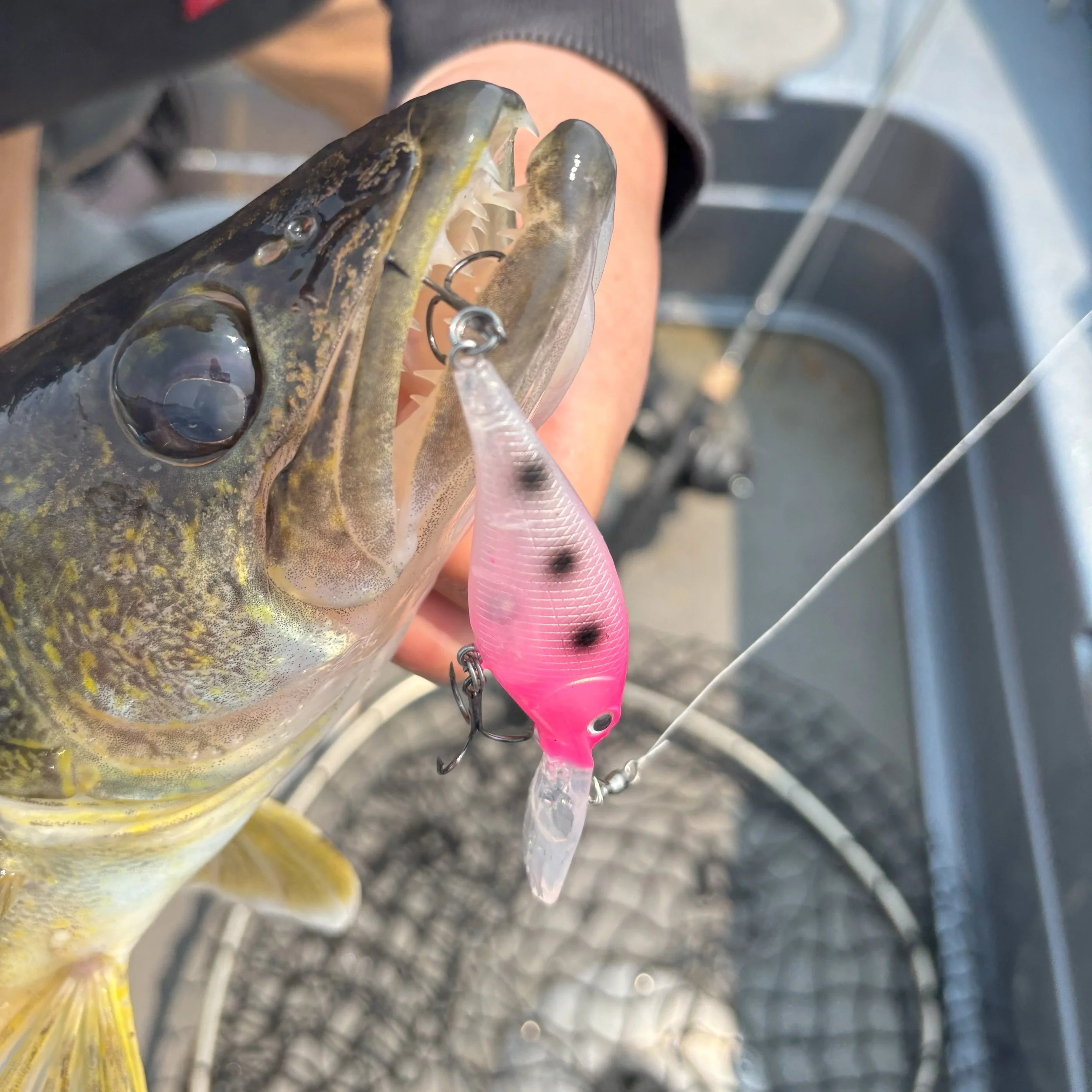
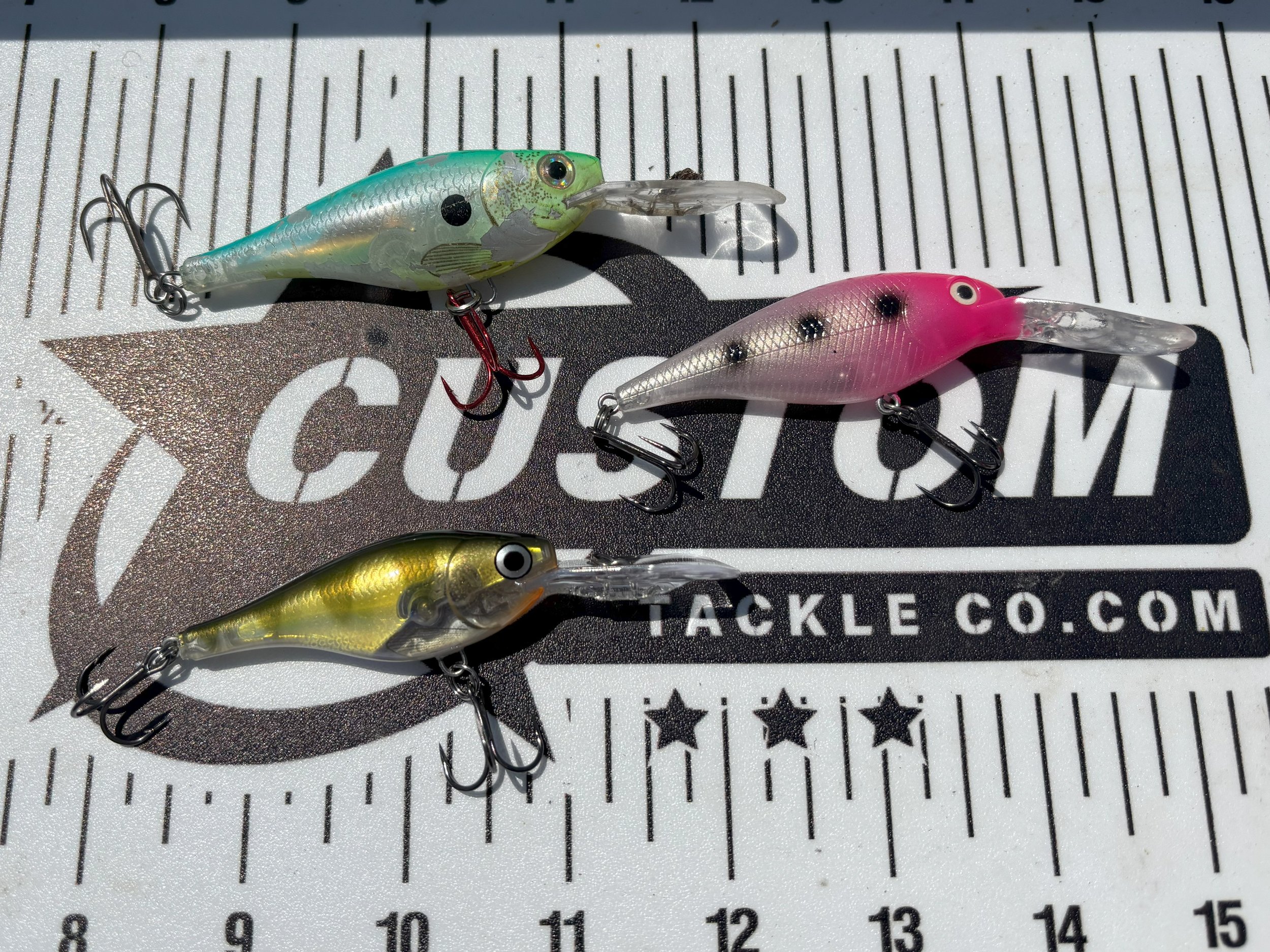
1. Crankbaits Long-lining #5 and #7 crankbaits in the 6–12 ft. range has been highly productive. This is often the best way to target slightly larger-than-average fish.
The Gear: We really prefer plastic baits with rattles—like our FLick KOs, Flicker Shads, or Rapala Glass Shad Raps.
Colors: Pink, Green/Chartreuse themes, and Perch patterns have all been firing.
The Technique: Keep the bait ticking the bottom occasionally, but there is no need to aggressively dredge it. Long-lining on 10# mono is all you need. Line-counter reels are great for repeatability, but casting back and adjusting your line out works just fine.
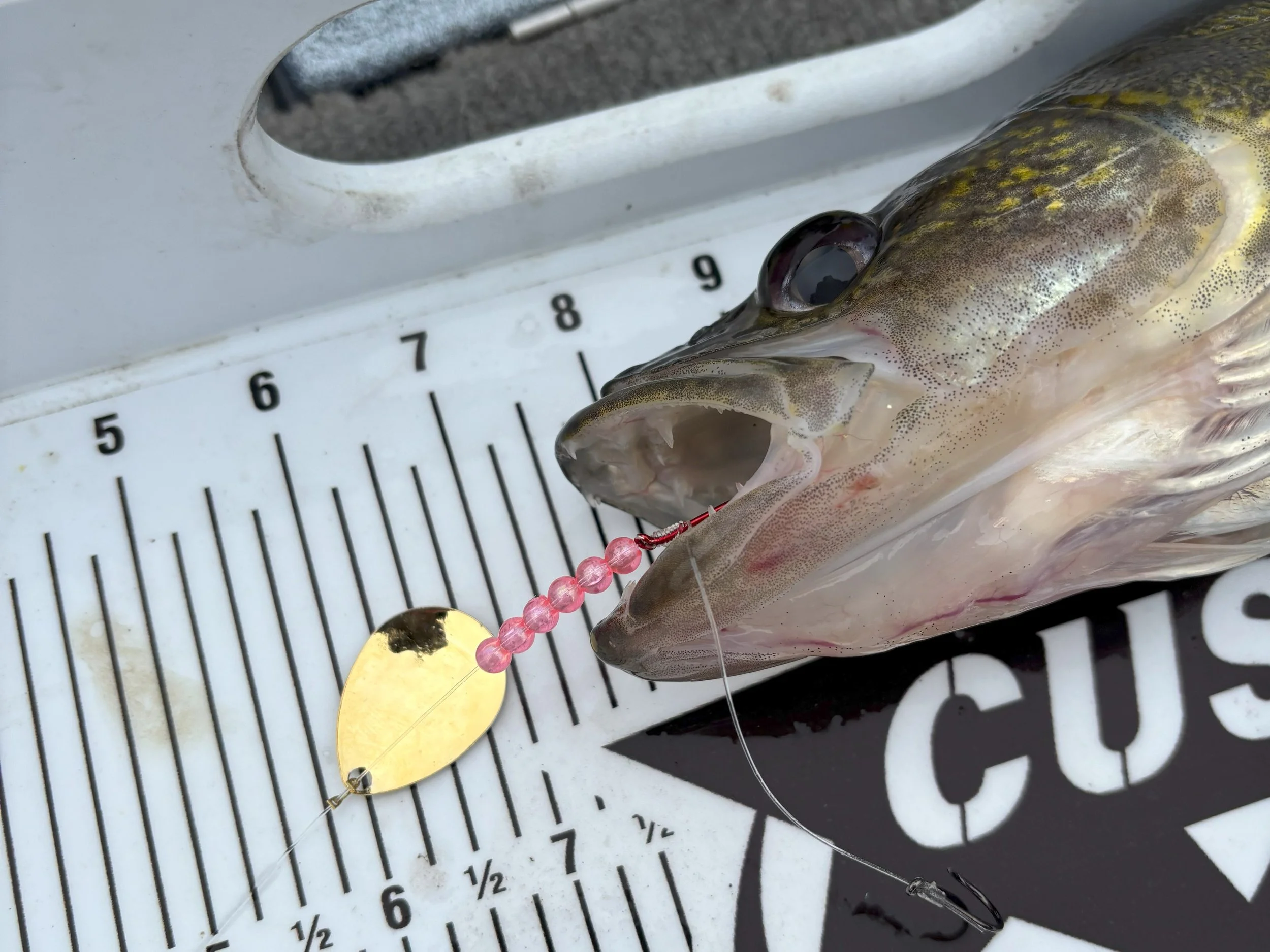
2. Spinners As the water warms, Pro Spinners with #3 or #4 Colorado blades paired with a nightcrawler have been lights out.
The Gear: The fluorocarbon leader on our Pro Spinners is a lifesaver with those pesky pike always cruising around. While bottom bouncers are standard, don’t overlook in-line chain sinkers. When working the shallows, a chain sinker is often an easier, more natural presentation.
Colors: Hammered Gold and Pink have been our top producers.
The Technique: Speeds around 1.2 mph are consistently triggering bites, whether you are trolling or drifting. Keep working different depth ranges, as these schools will slide in and out throughout the day.
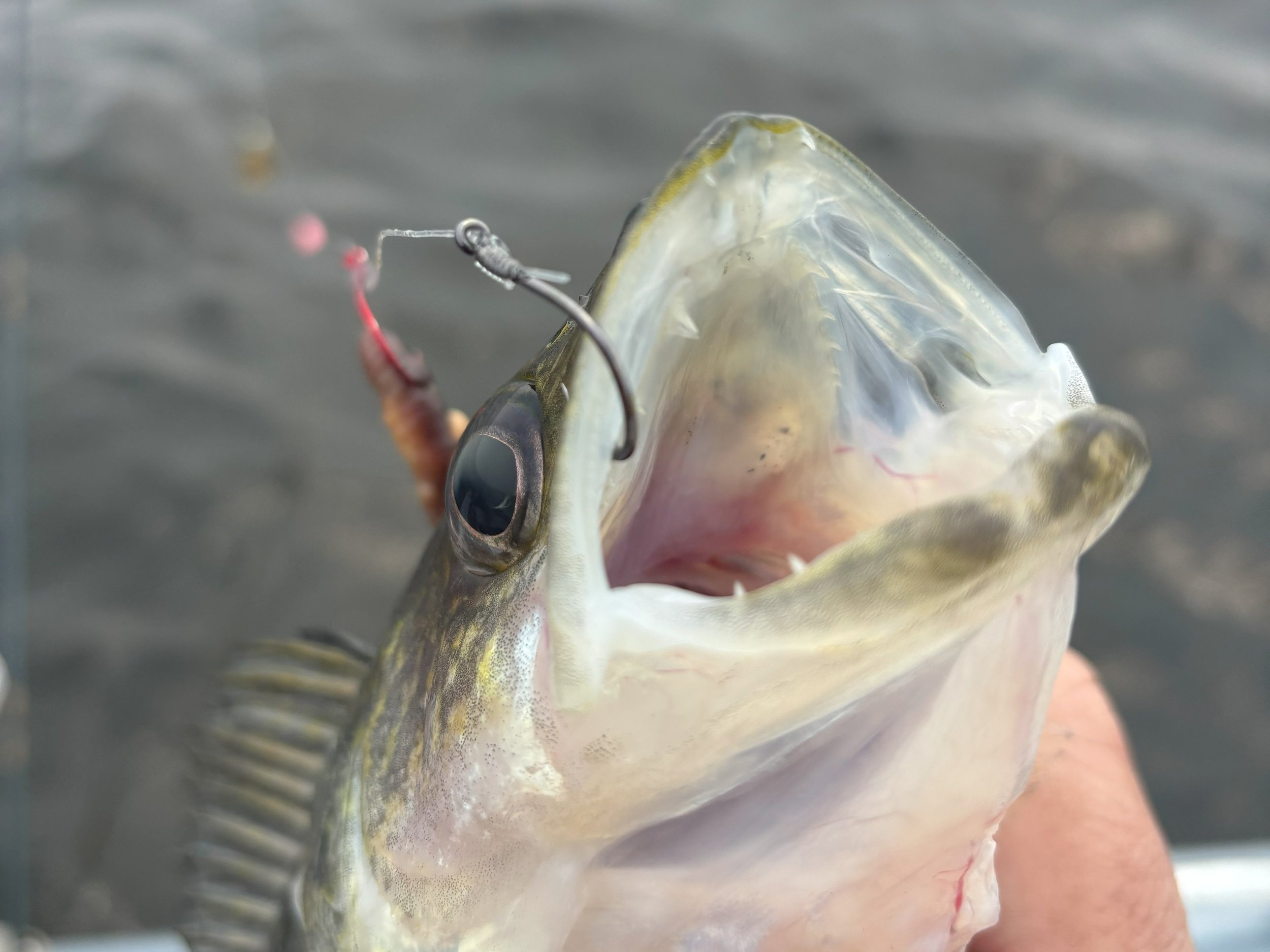
3. Jigs Just when you thought we were moving away from jigs, here is a sneaky secret: hanging a jig & shiner isn't the only game in town. Dragging Live bait Jigs & Pitching Plastics are 100% the most overlooked tactic on Lake of the Woods for shallow fish.
The Gear: Any jig will do, but our Pro Series family of jigs are phenomenal options. Pair them with a minnow, leech, or crawler. For the Forward-Facing Sonar (FFS) fans, casting a jig with plastics or live bait to shallow cruisers is highly effective.
The Technique: Match your jig weight to your speed so it simply hops along the bottom. Nothing aggressive—just drag and hop. If you run into weeds, lighten your jig so it swims smoothly through or just above the cover. Modern electronics make this incredibly efficient: mark a school on Side Imaging and float right over them.
Open Water Option - there is also going to be a population of fish in the main lake offshore. Many adult female will spawn on main lake rocks and they will not be far from them recovering. Locate fish with FFS and pitch reaction baits or jigs to the targets. This is not a numbers game, but is an opportunity to target some of the largest fish in the system.
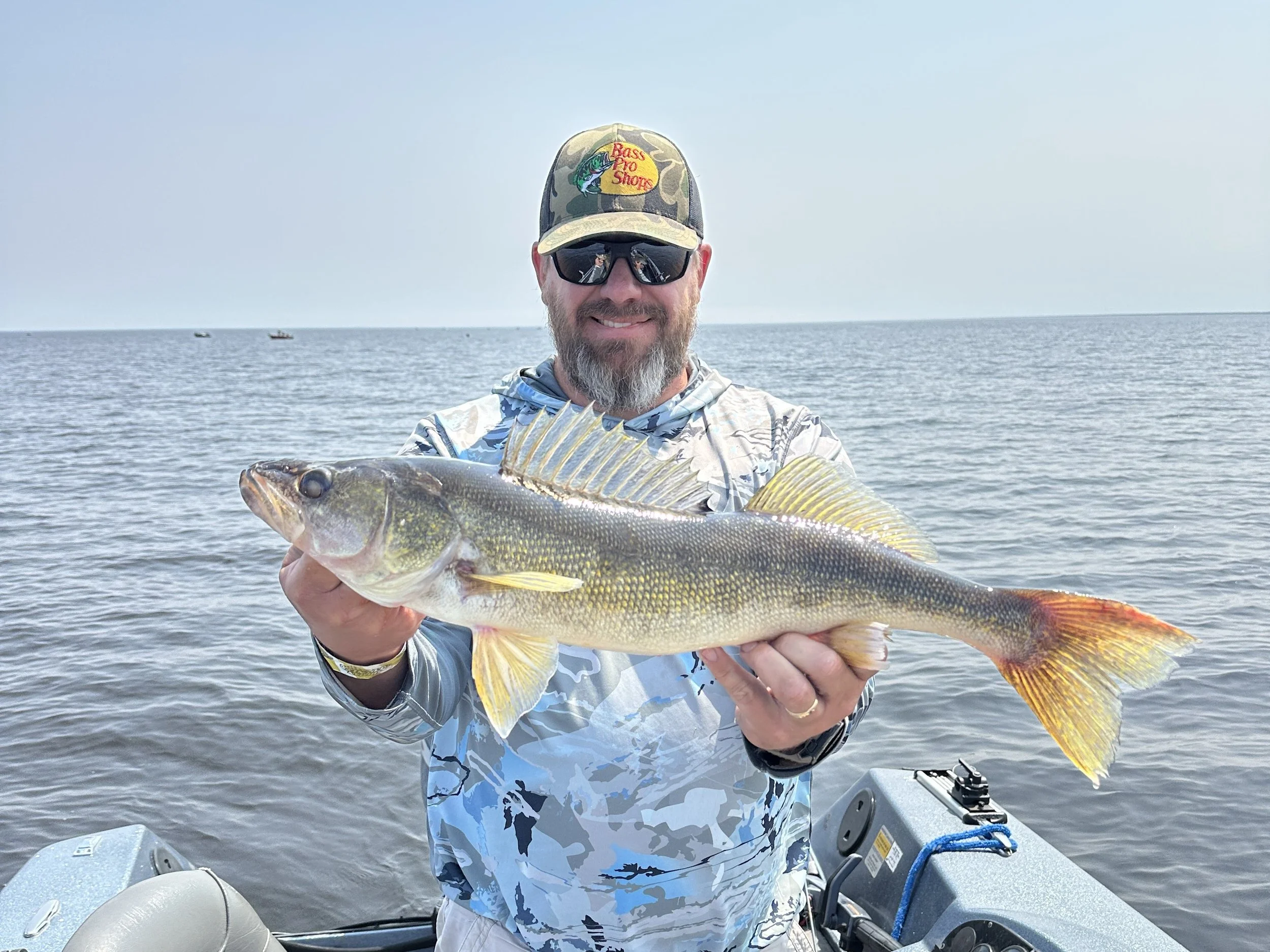
Big head spawned out slot fish caught pitching a Pro Series Jig and a 110 Minnow.